A restoration candidate
A serviceable, compatible roof with addressable defects can be assessed for coating. Preparation and reinforced transitions are part of the system.

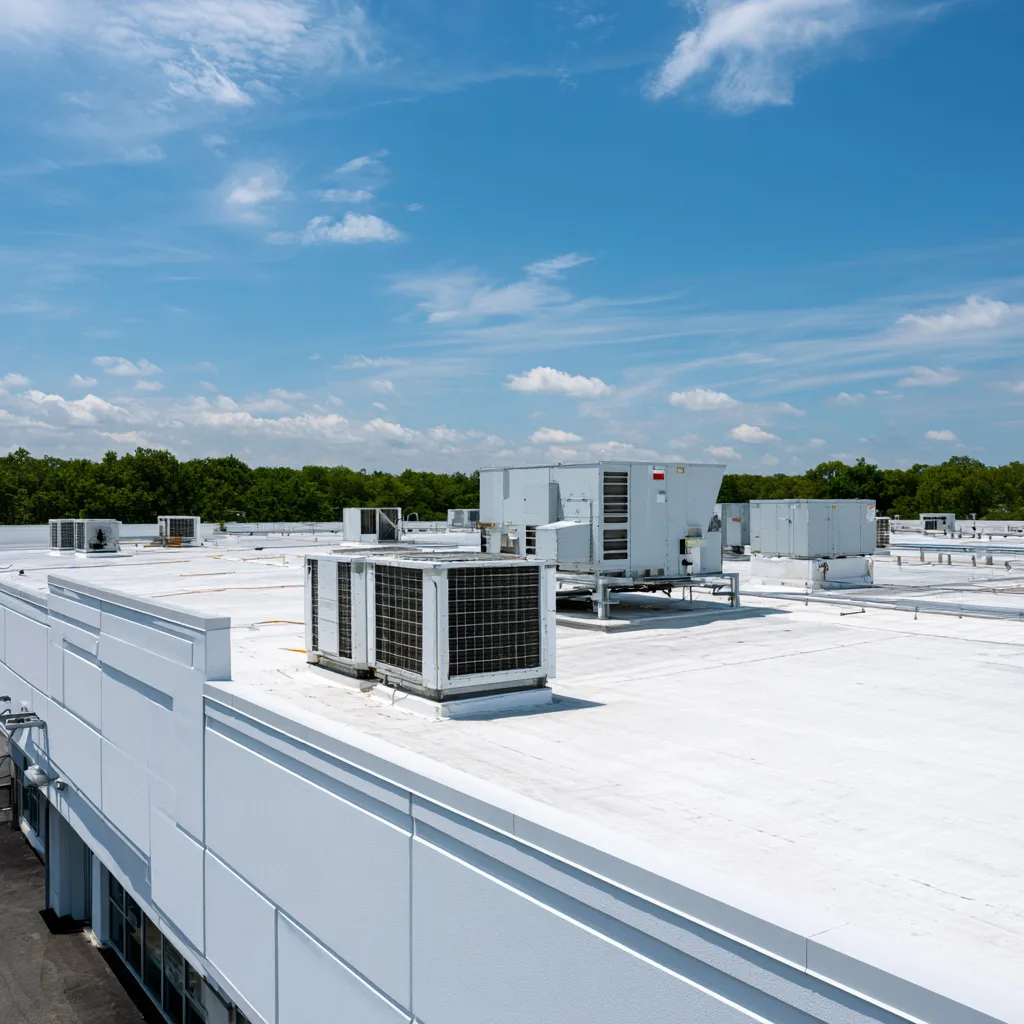
Restore a suitable existing roof with a compatible coating system. Start by finding out whether the assembly is sound enough to restore.
Coatings form a protective surface over a prepared, compatible roof. Their performance depends on substrate condition, adhesion, treatment of seams and details and the applied system thickness. Cleaning the roof is preparation, not proof that every existing assembly is suitable.
Saturated insulation, a weak deck and extensive membrane failure need correction before restoration is considered. A coating does not remove trapped water, replace failed structure or add drainage slope.
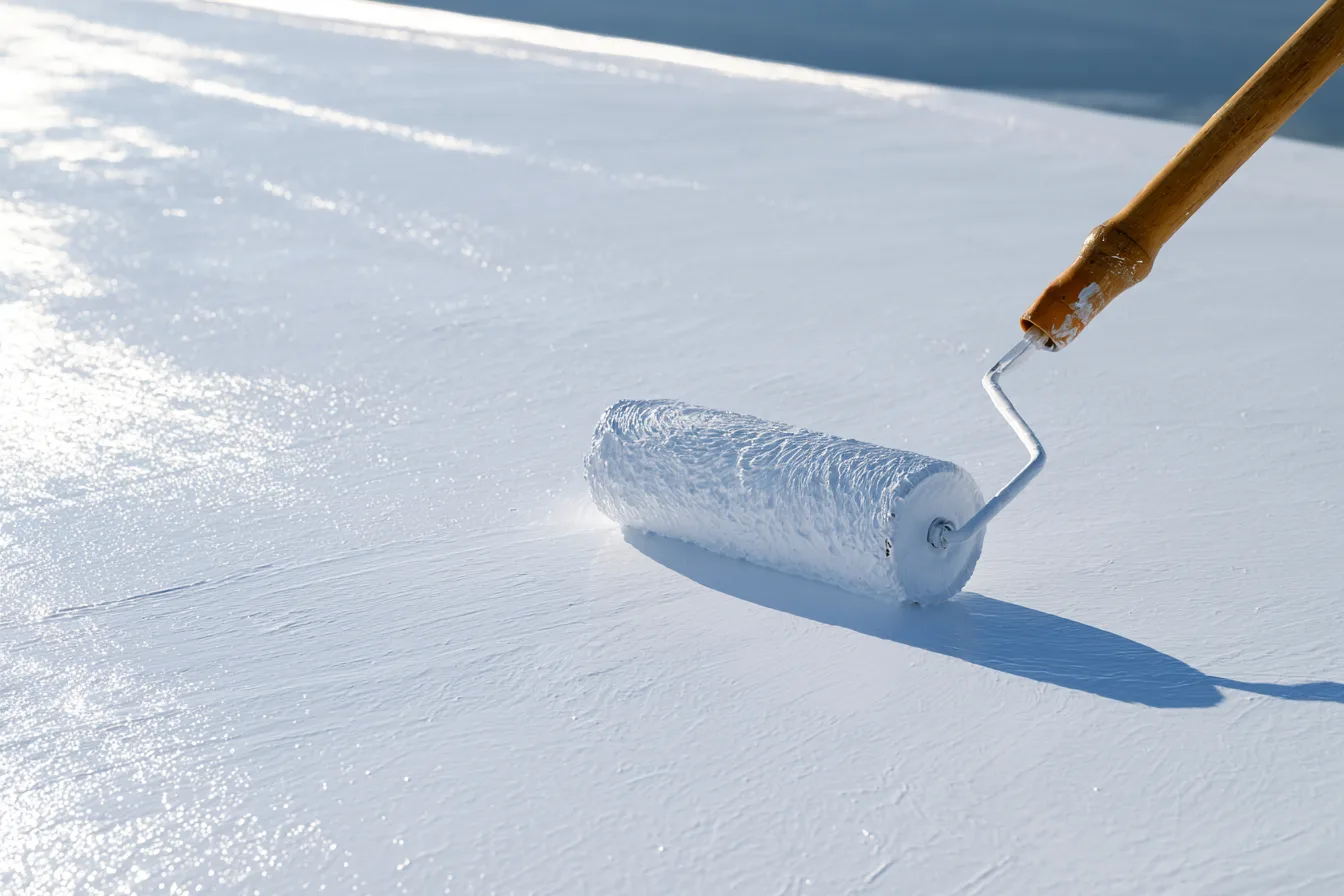
A serviceable, compatible roof with addressable defects can be assessed for coating. Preparation and reinforced transitions are part of the system.
Wet materials, poor attachment or widespread deterioration can make removal and replacement more useful than another surface layer.
Establish the existing system, visible condition and any moisture or adhesion questions that affect the proposed coating.
Clean and prepare the substrate and correct details as the selected system requires.
Coverage, reinforcement and film thickness follow the chosen coating requirements, with weather and curing conditions included in planning.
Coating cost depends on roof preparation, repairs, detail reinforcement and system requirements. Comparing only a price per gallon or a surface rate leaves out much of the labor.
Restoration and replacement solve different conditions. The inspection needs to establish the roof beneath the coating before either is selected.
Where the assembly is not a restoration candidate, flat-roof replacement planning addresses insulation, drainage and the retained structure.
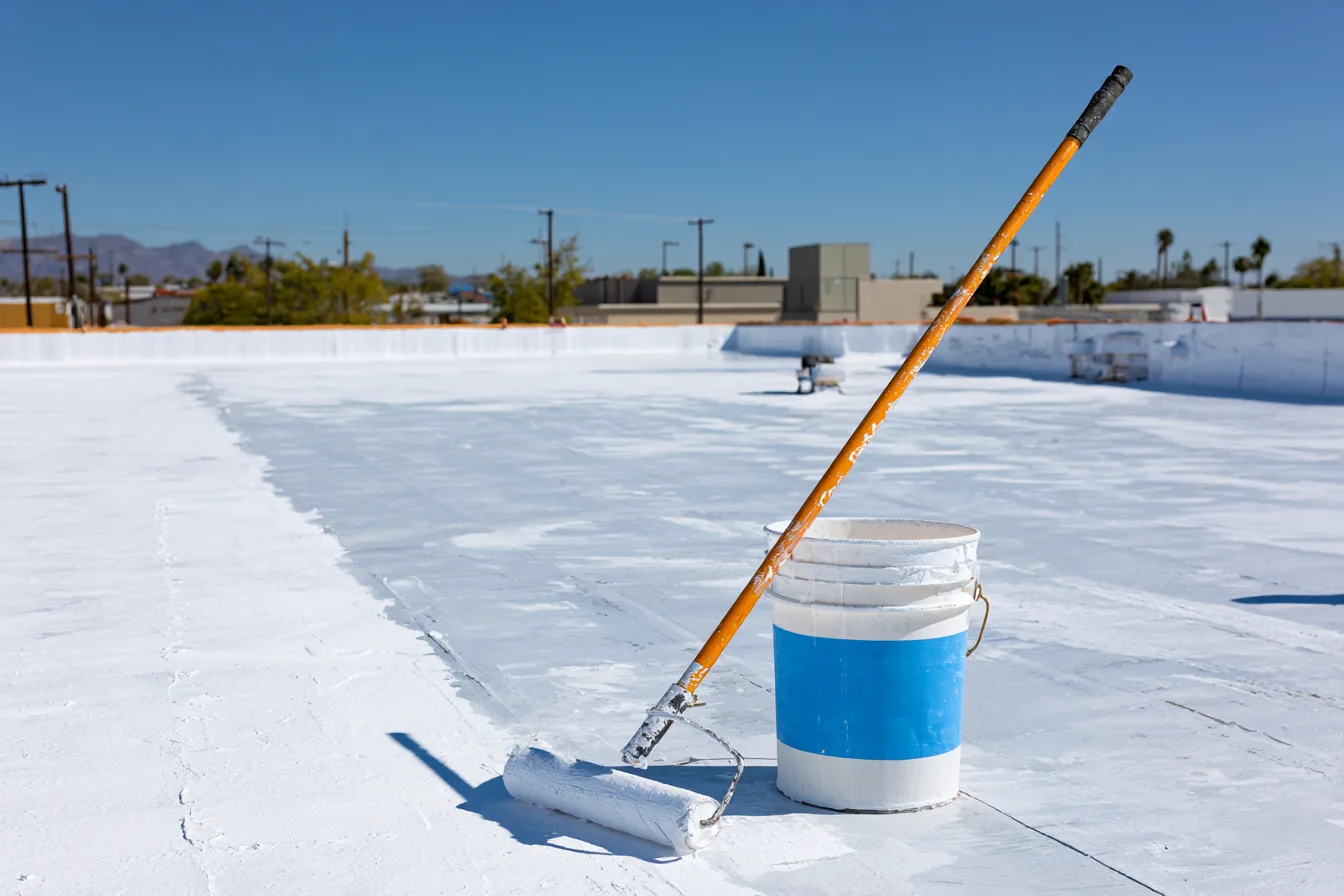
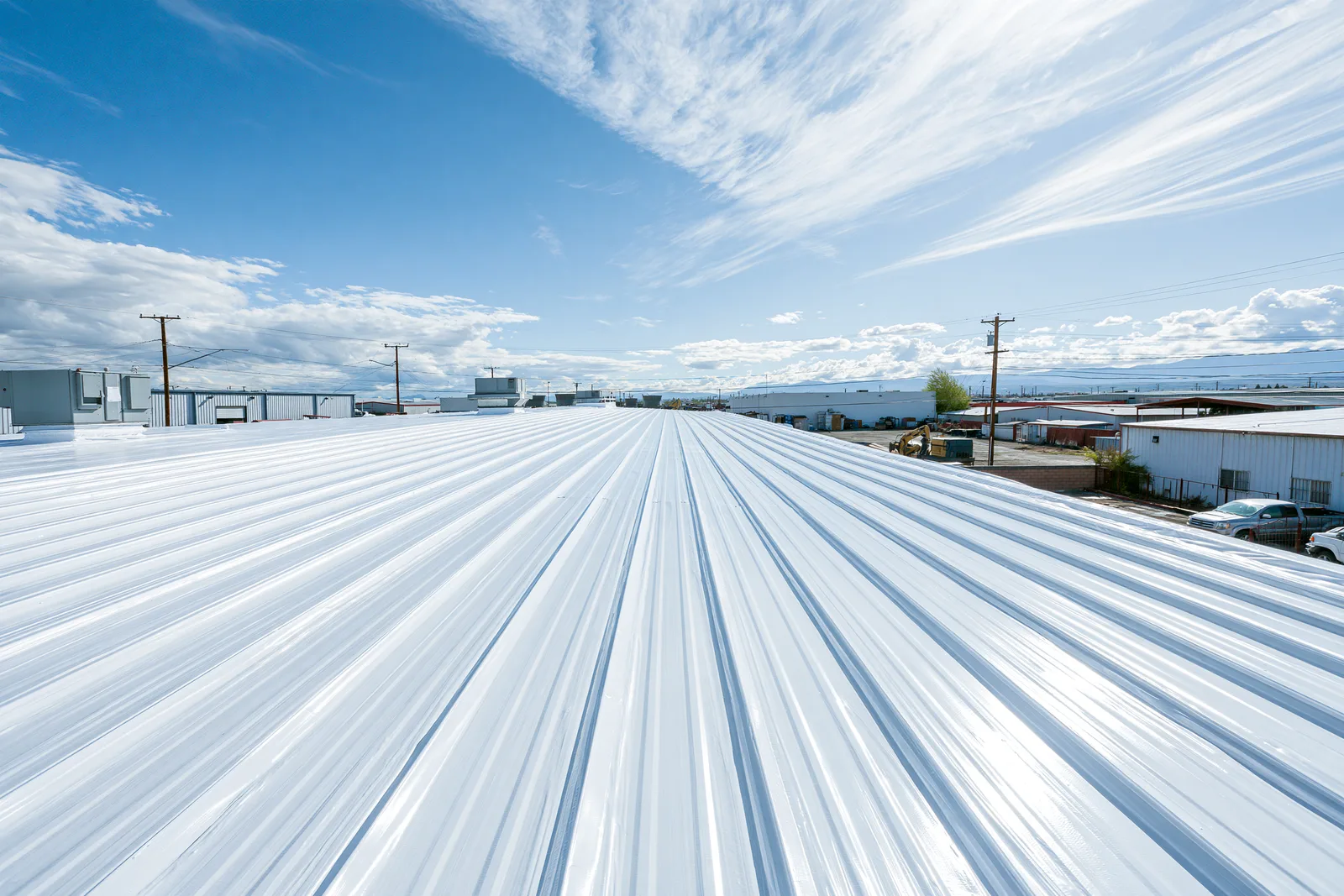
Tell us where the property is and what you've noticed. A free roof inspection helps establish the next useful step for your roof coatings.