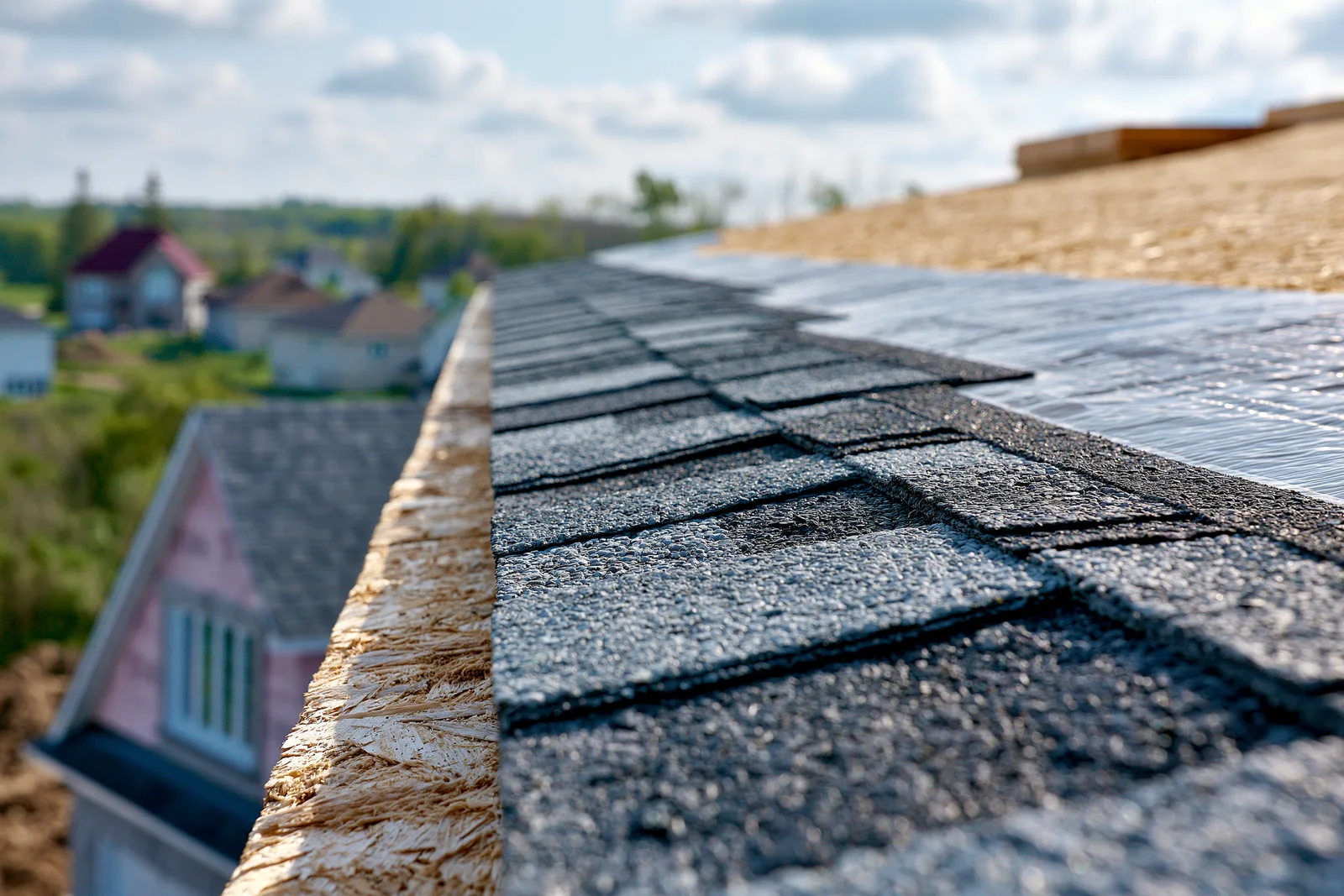
Roof Replacement
Replace the covering and rebuild the roof layers, flashing and ventilation as one system.
Roof Replacement
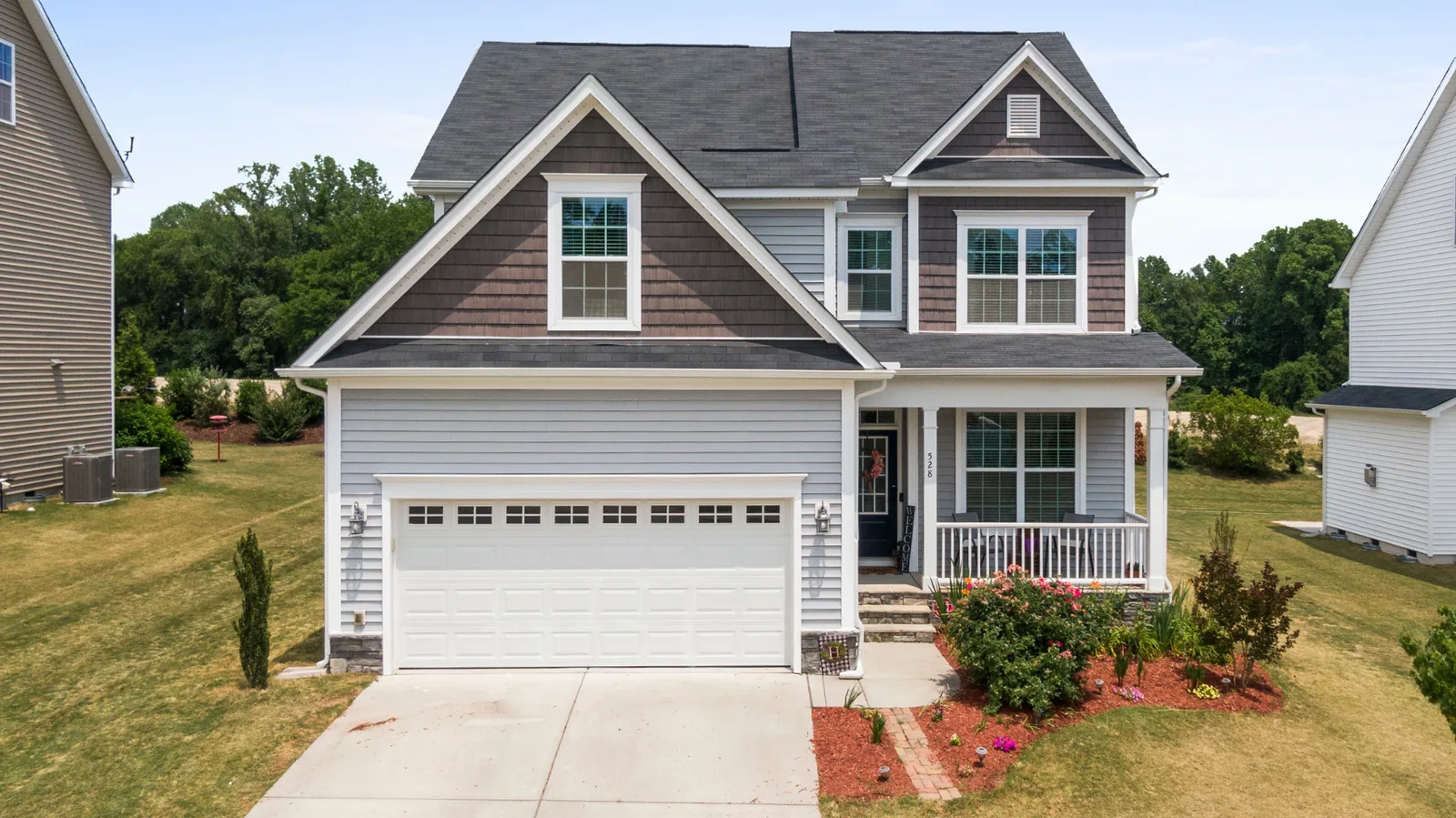
Choose the help that fits the roof concern. Repairs, replacement, inspections and commercial roof work start with what the roof is doing now.
Replace the covering and rebuild the roof layers, flashing and ventilation as one system.
Roof Replacement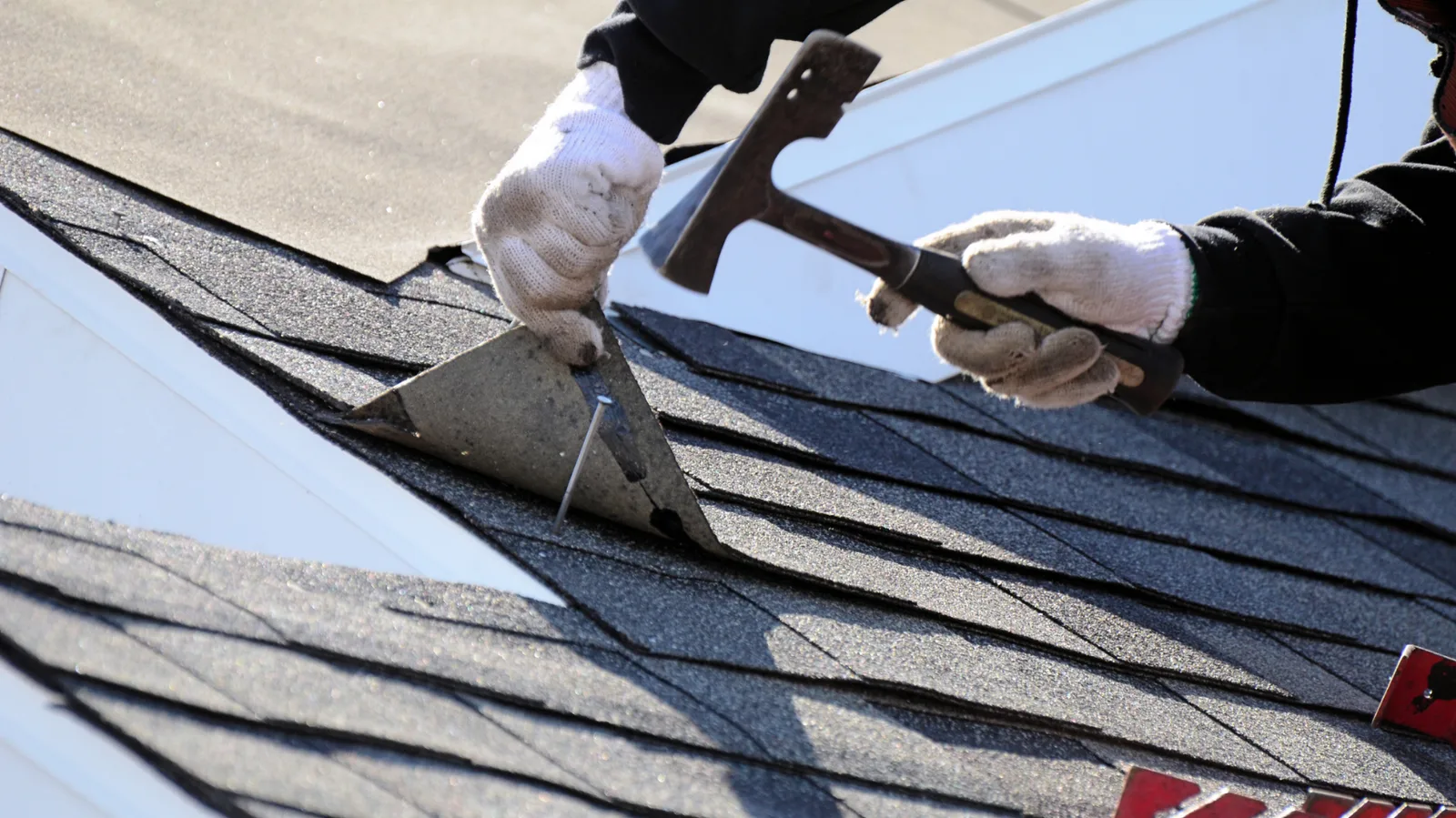
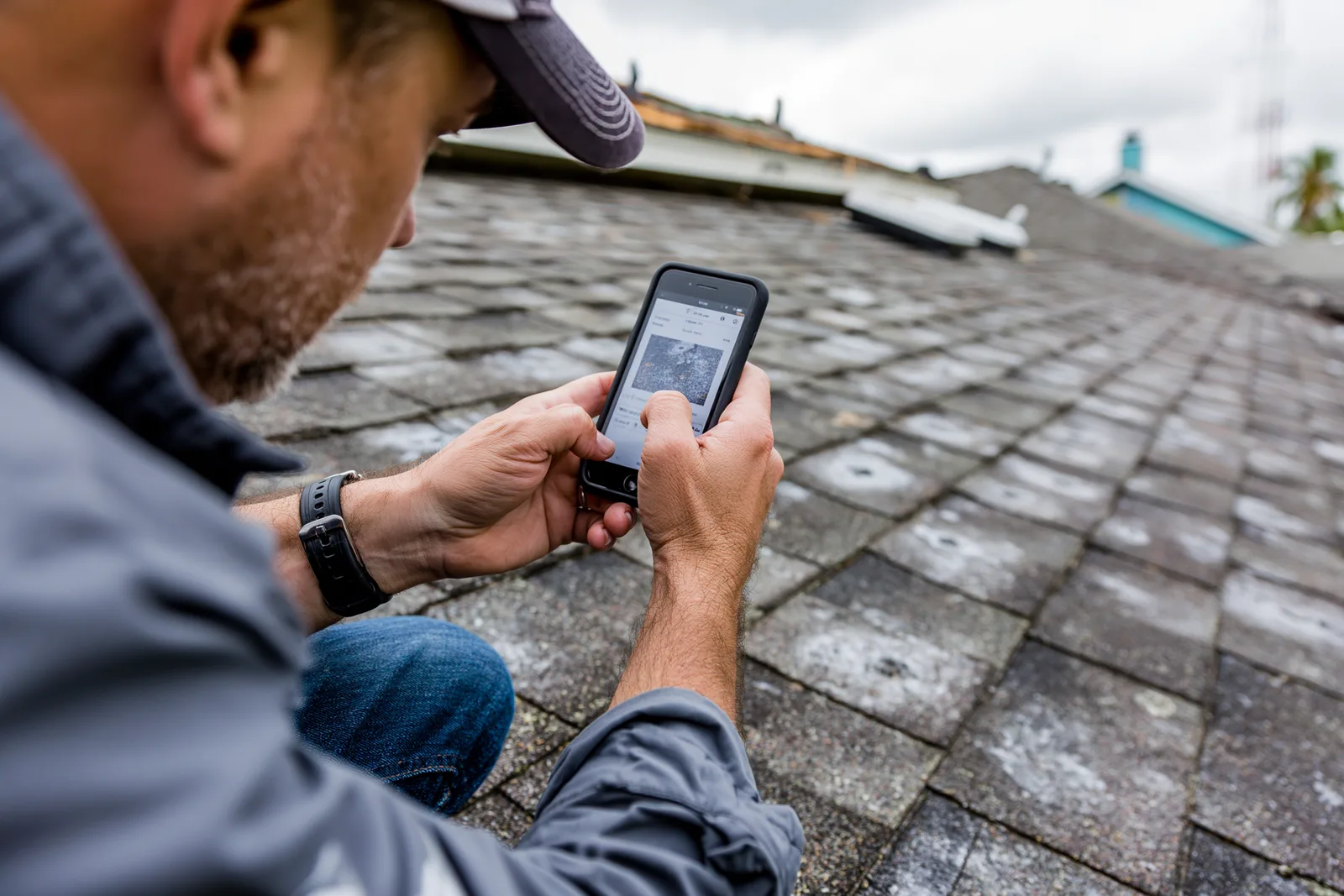
Understand current roof condition before choosing repair or replacement.
Roof Inspections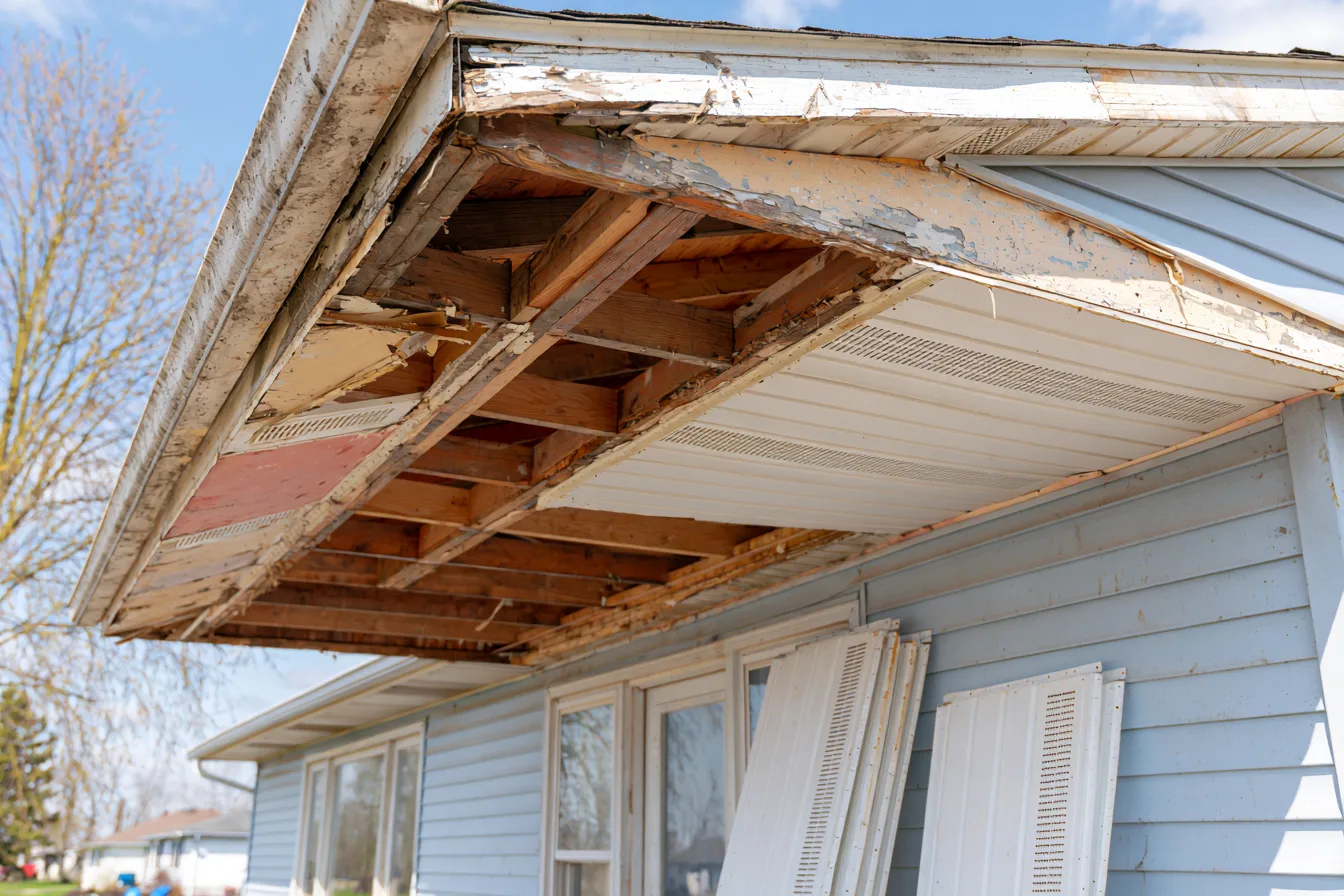
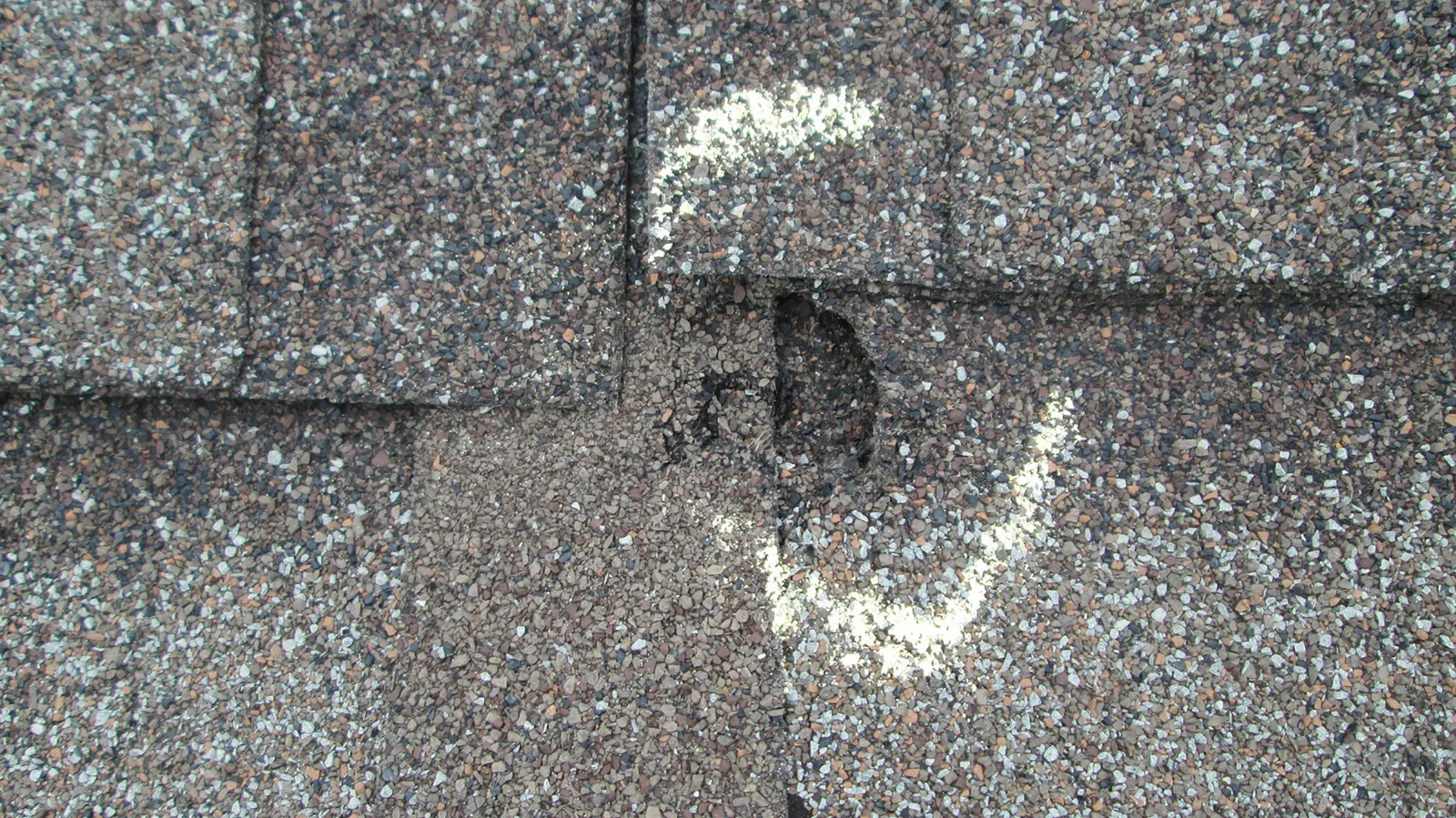
A stain inside calls for leak tracing, even when the shingles above it look intact. Water moves along framing and roof layers, so the point where it drips isn't always the point where it enters. Repair follows the entry path and restores the damaged joints or covering.
A roof with scattered wear and repeated failures needs a wider inspection before another patch is chosen. Replacement addresses the entire covering and the exposed assembly beneath it. If the roof looks sound but a storm, sale or change in condition raises a question, an inspection is the starting service.
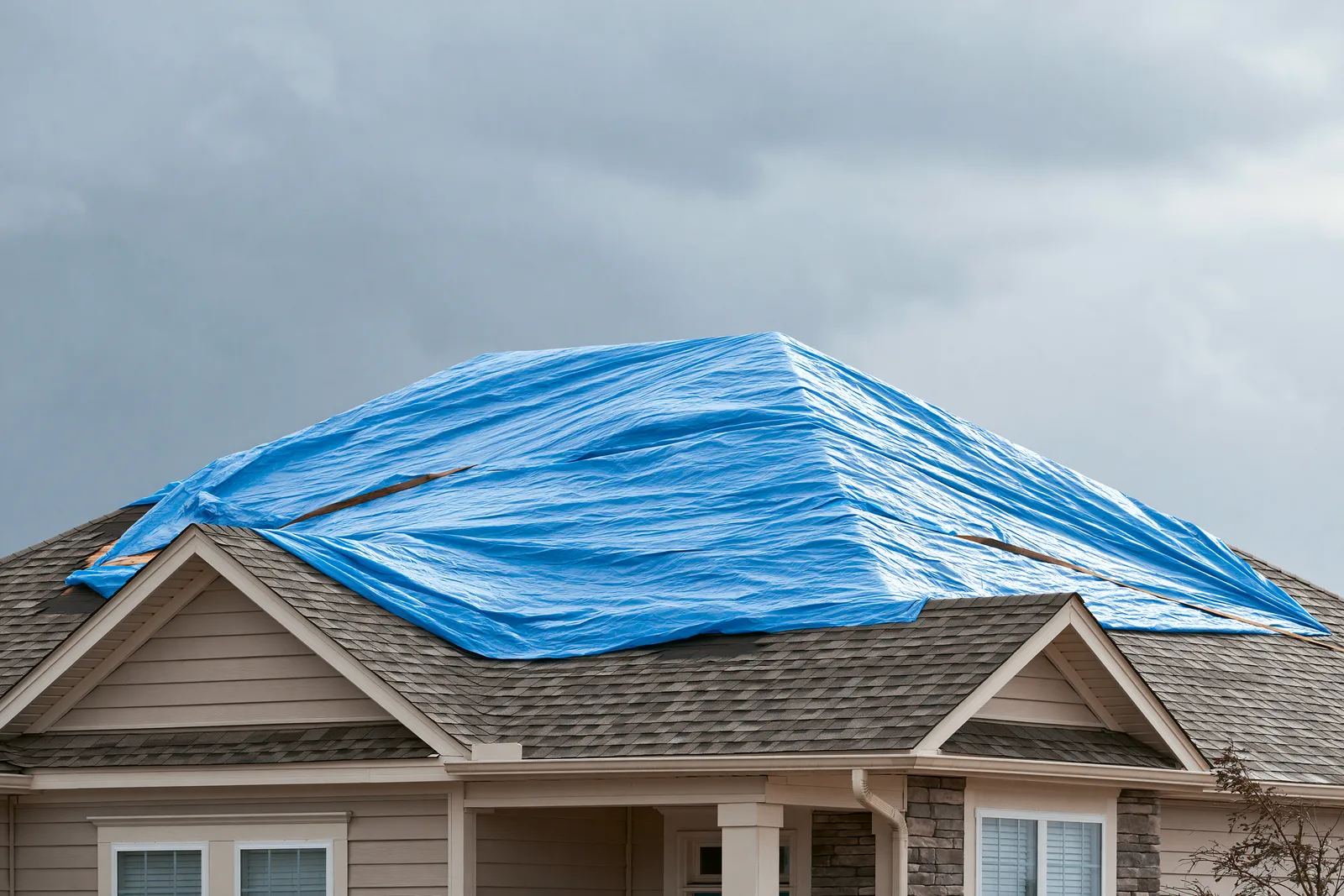
If water is entering now, tell us when you call. Temporary protection can limit exposure while the cause and permanent work are assessed; it isn't the same thing as completing the repair.
Leak tracing follows the entry path before a repair is selected.
Wider condition and repair compatibility guide replacement evaluation.
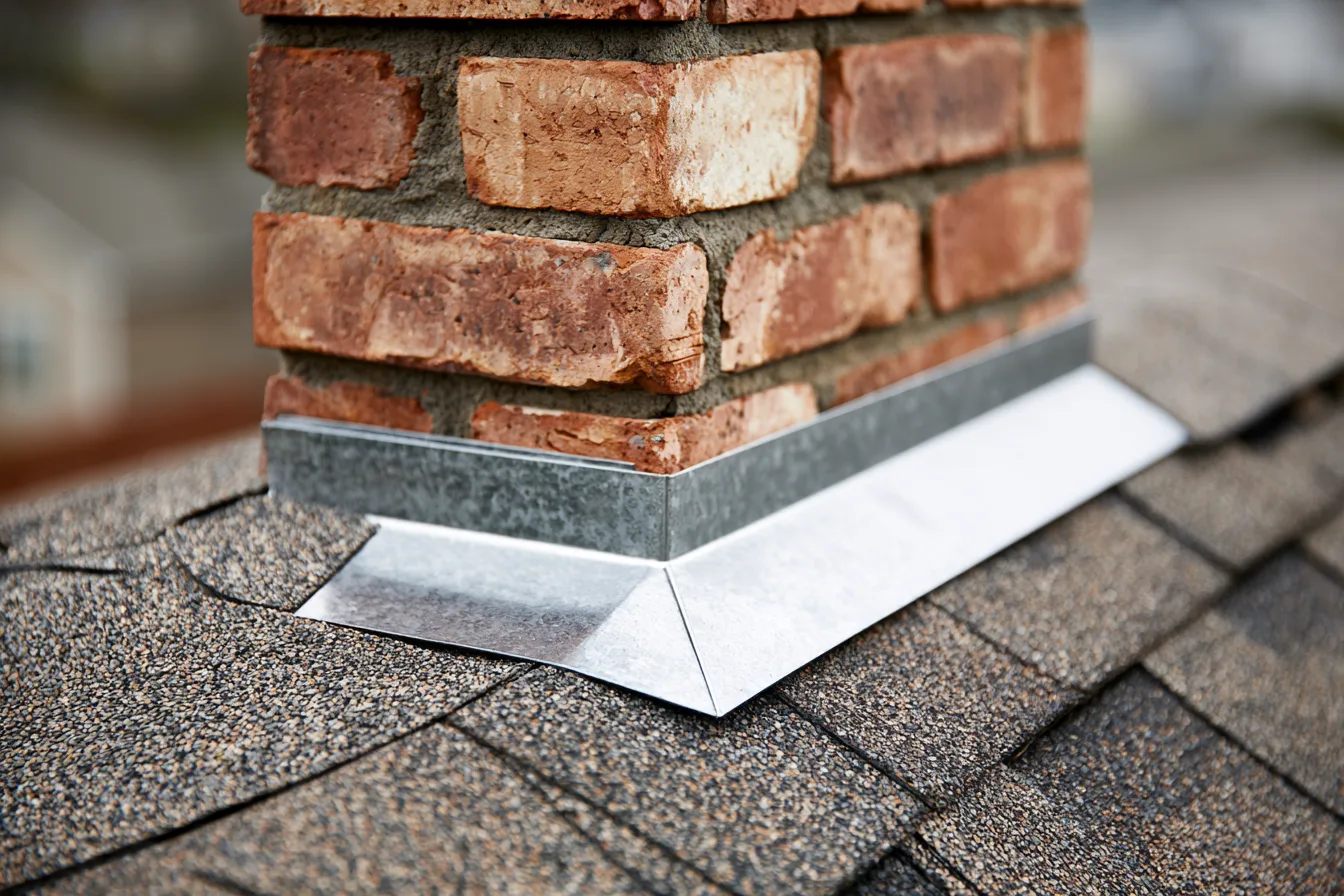
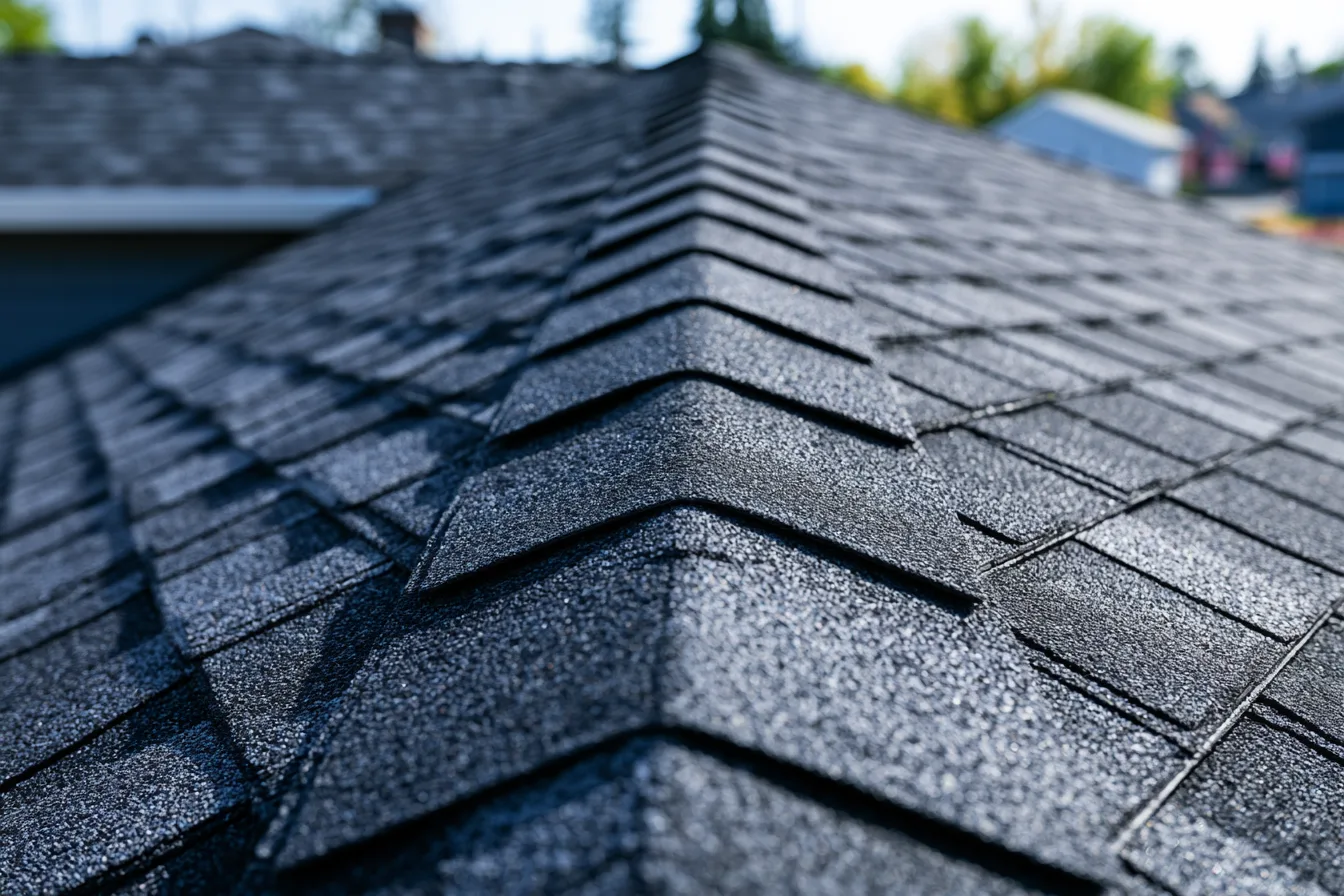
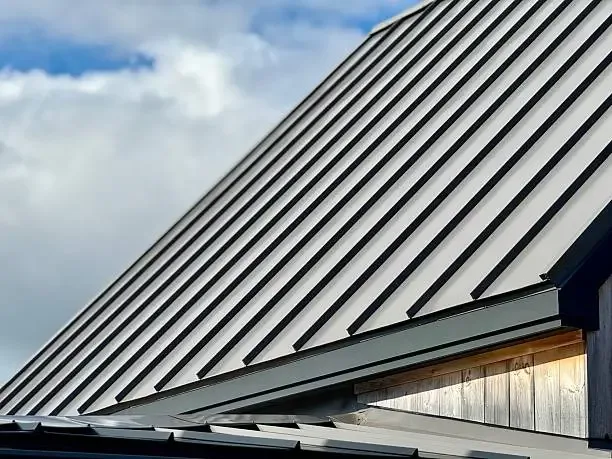
Shingles shed water in overlapping courses. Metal panels use system-specific seams, attachment and terminations. Both depend on compatible underlayment and flashing at edges, walls and penetrations.
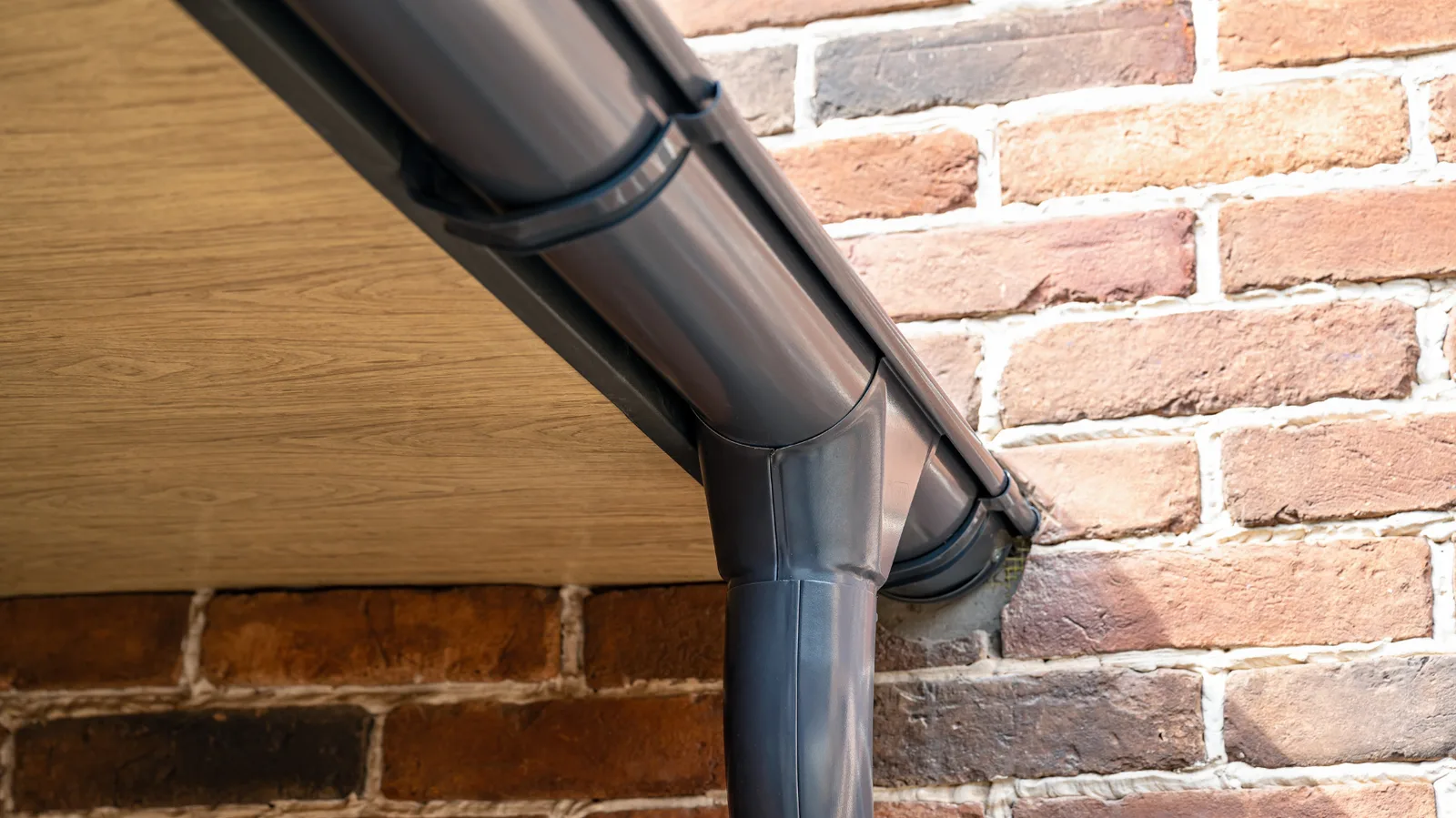
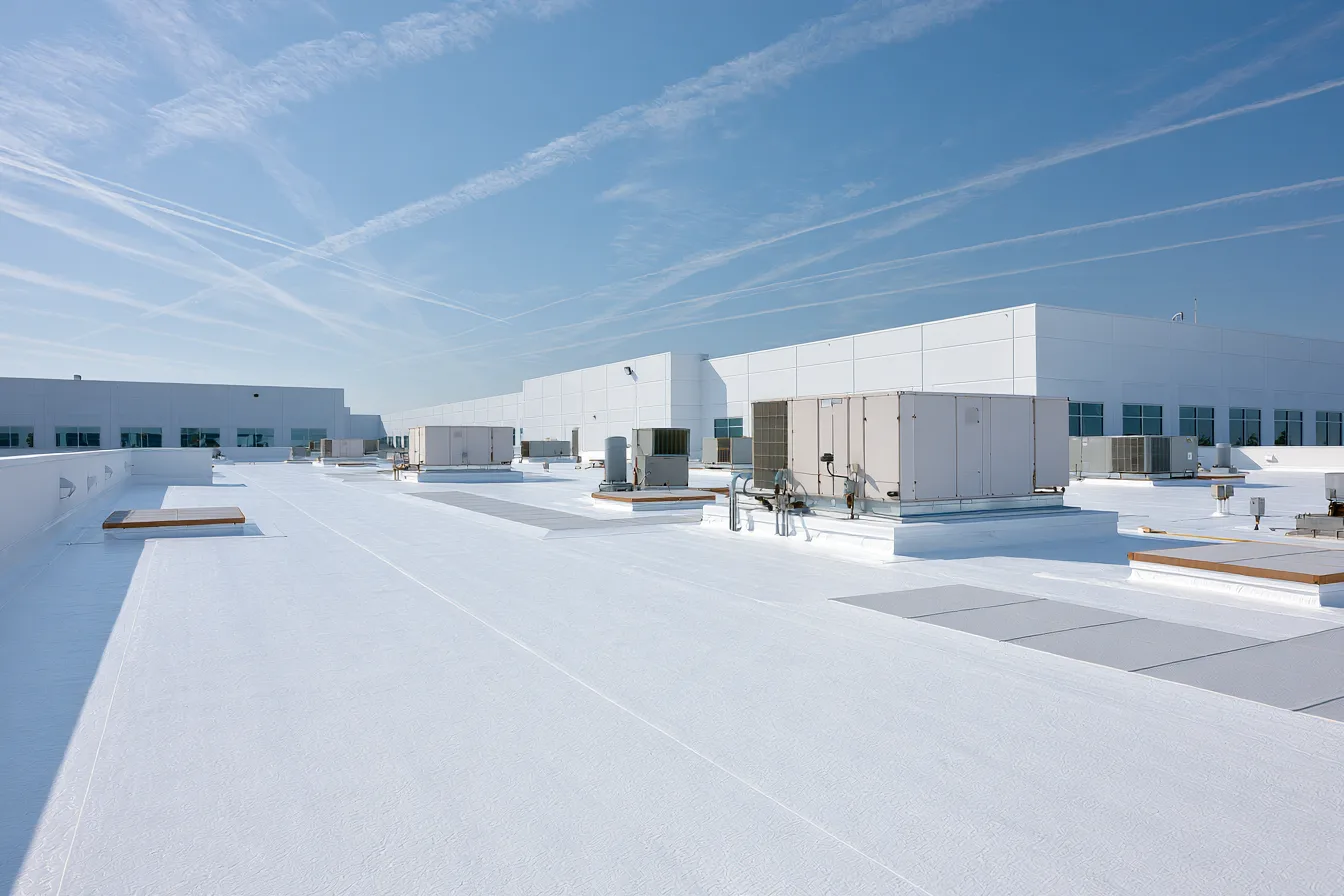
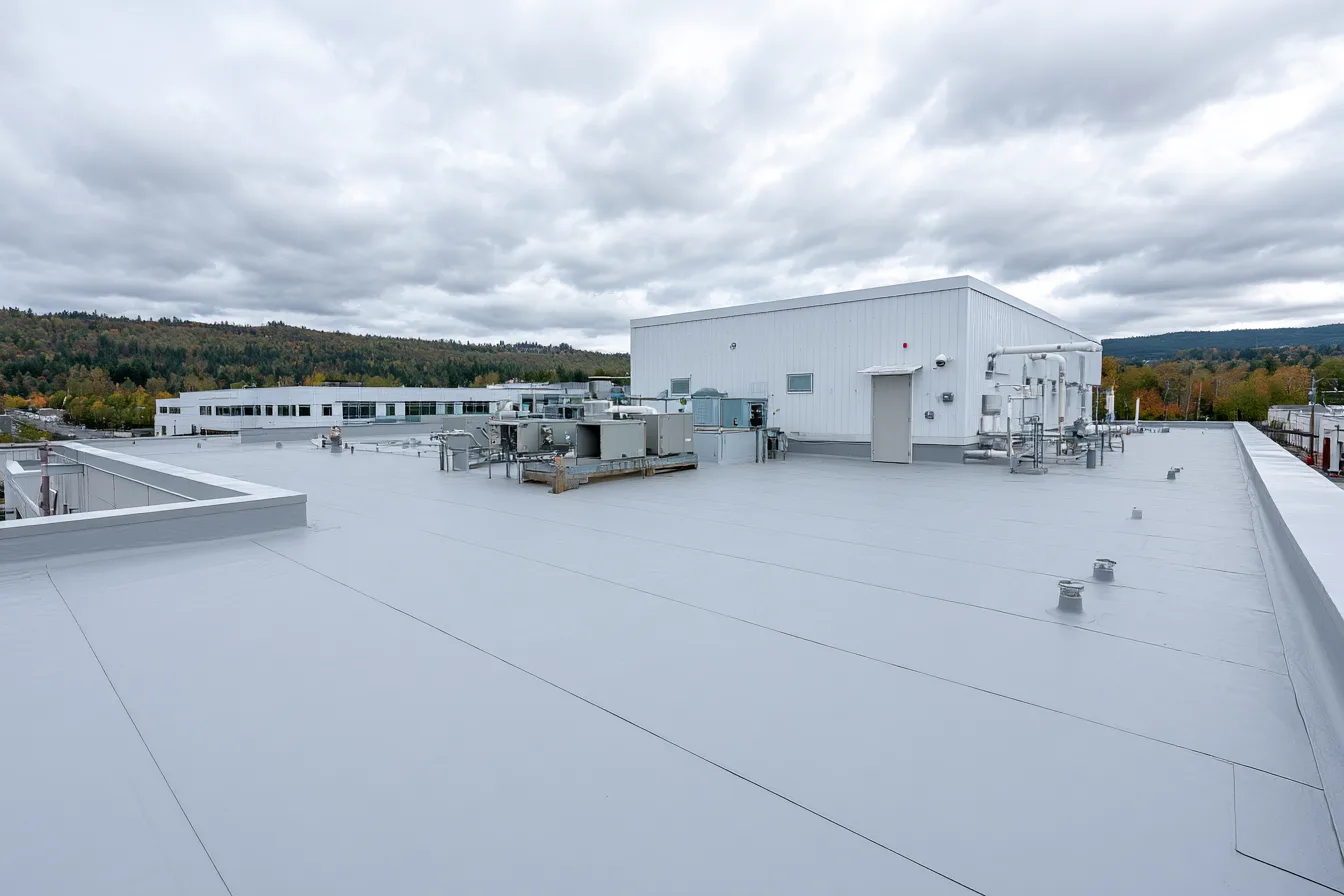
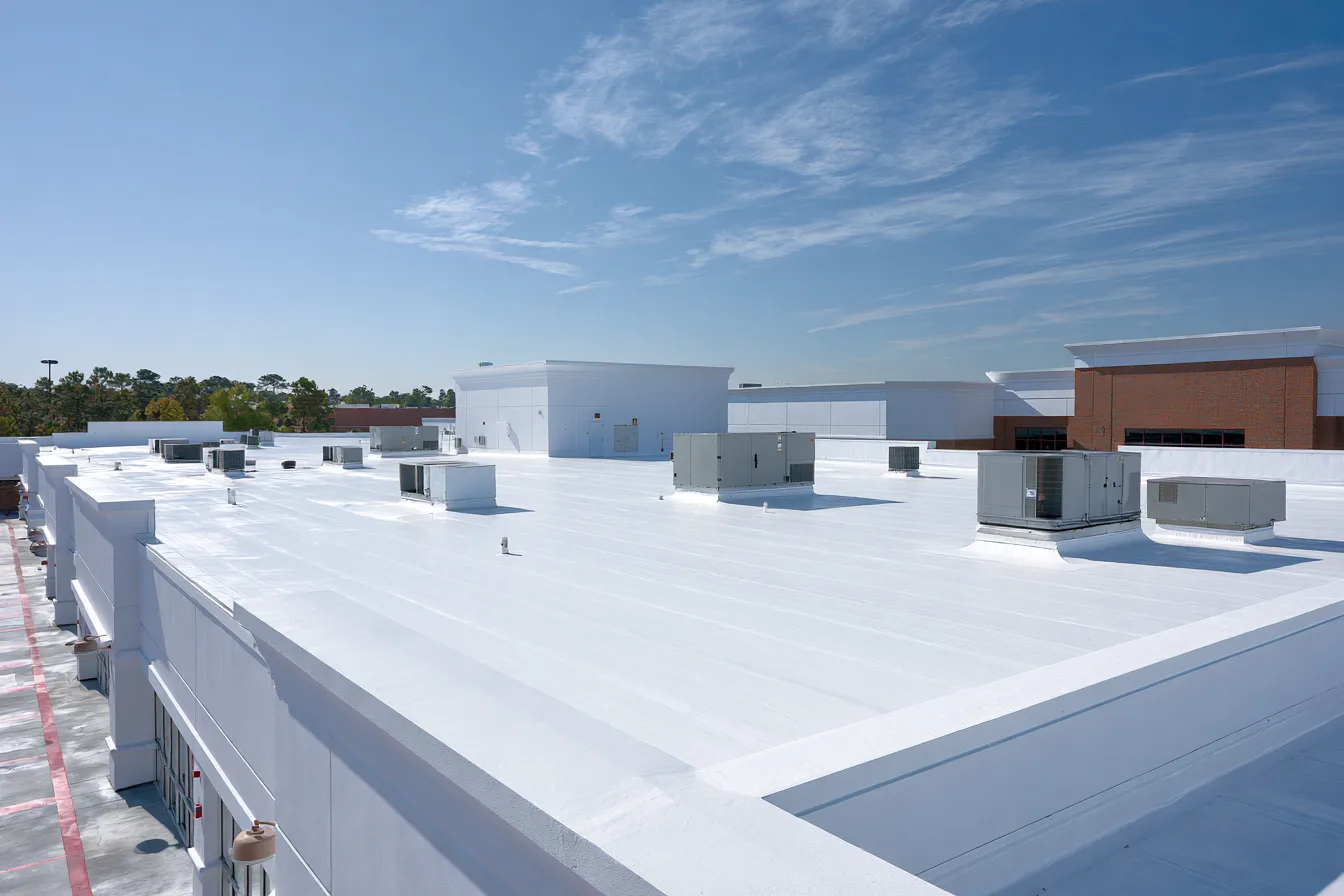
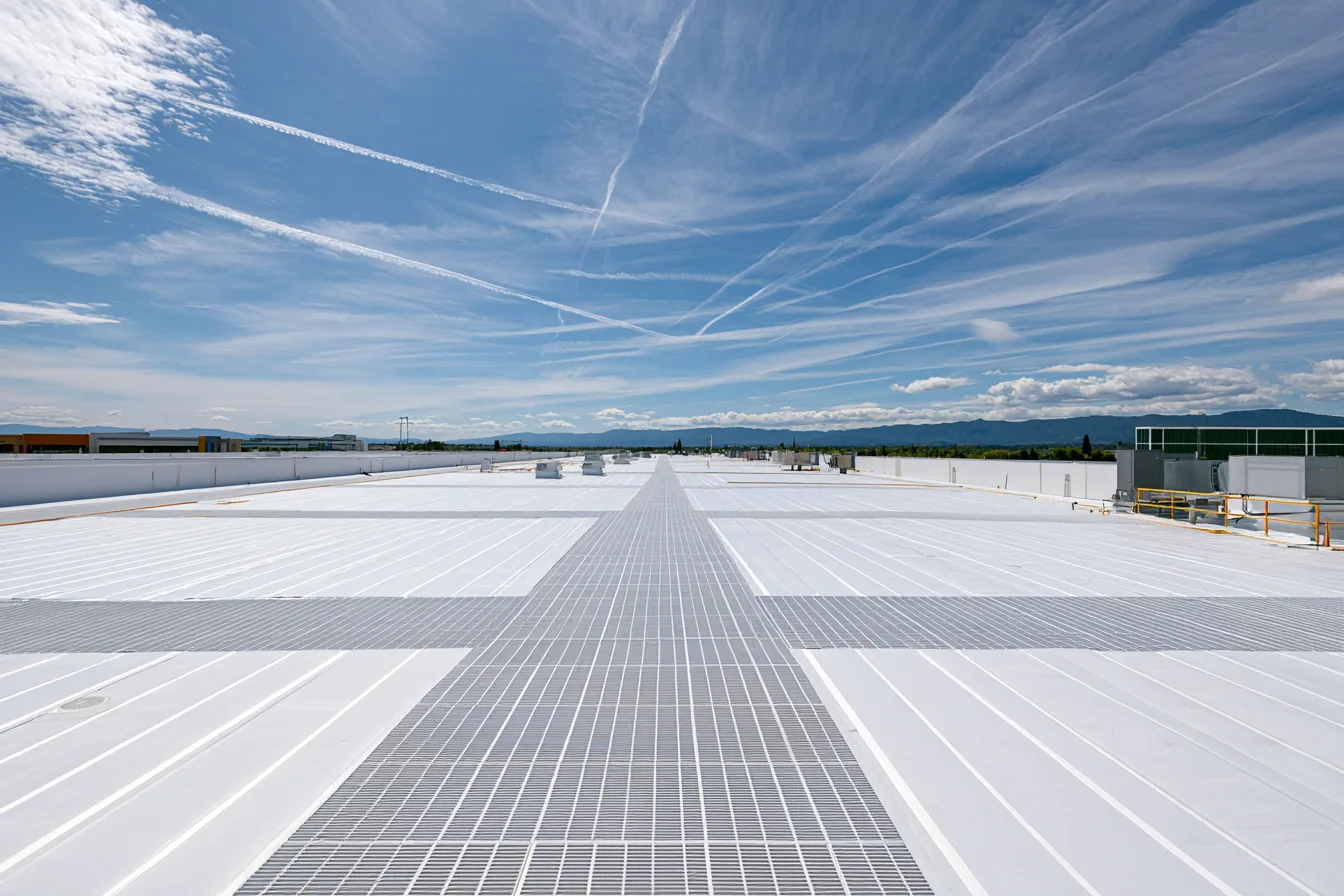
A membrane suits roof areas where water drains more slowly. Drains and scuppers belong to that roof design; gutters receive water after it leaves the roof edge. Damaged fascia and decking change what new attachments can hold.
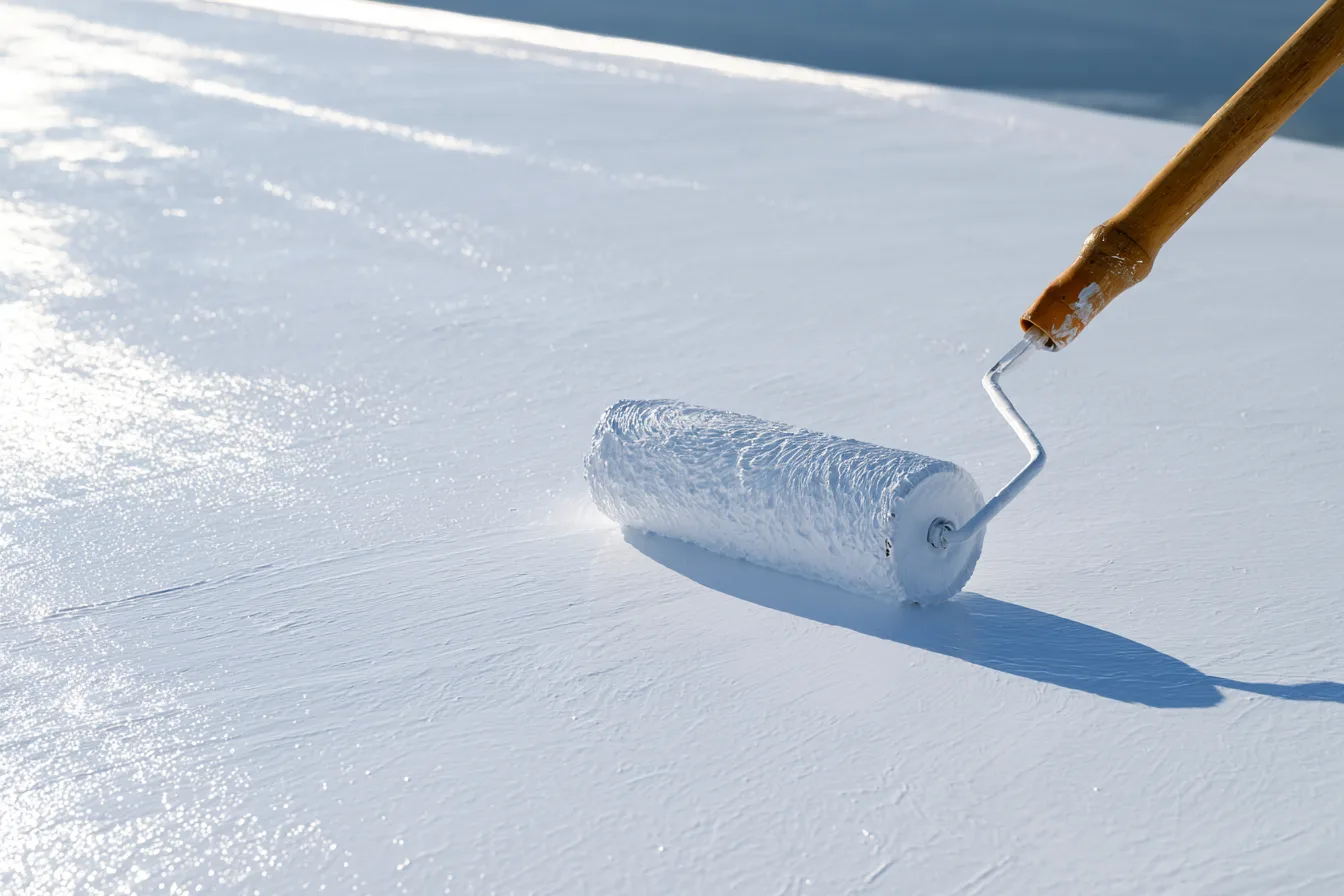
A small membrane puncture on a dry, sound roof differs from an open seam over saturated insulation. The first can suit a compatible repair. The second requires the wet material and the cause of water entry to be addressed. Coatings need a suitable, prepared substrate; they don't replace failed insulation or create drainage slope.
Replacement planning includes roof access, rooftop equipment, tenant activity and the daily boundary between exposed work and watertight roofing. Tell us how the building is used so the work can be planned around it.
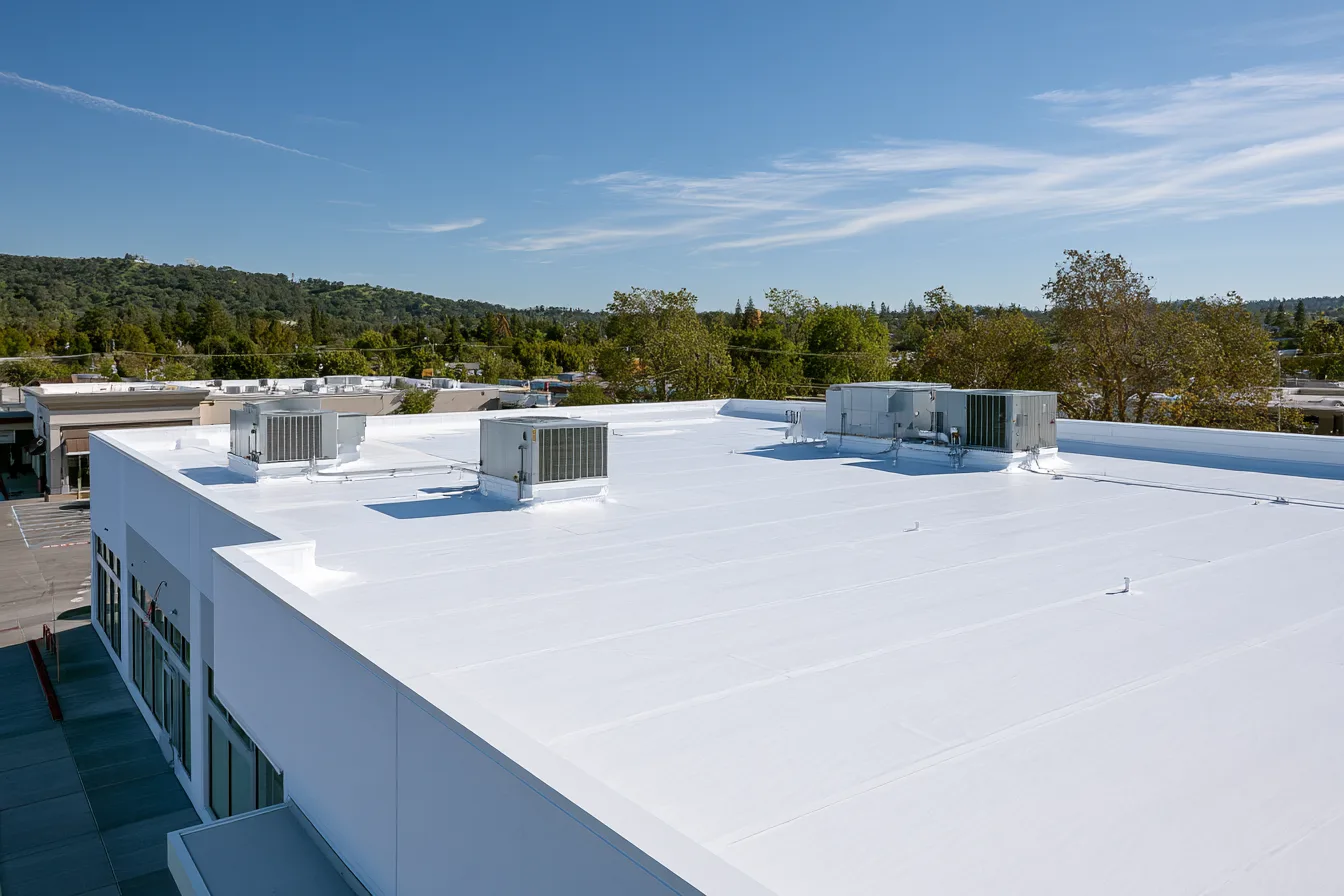
The inspection establishes the visible problem and repair boundaries.
The work identifies what is removed, what is retained and how the materials connect. Concealed deck damage is evaluated when exposed.
Size, slope, access and the number of transitions affect labor. Material choice and tear-off affect the assembly and disposal. Those physical differences explain why two similar floor plans don't necessarily have the same roofing cost.
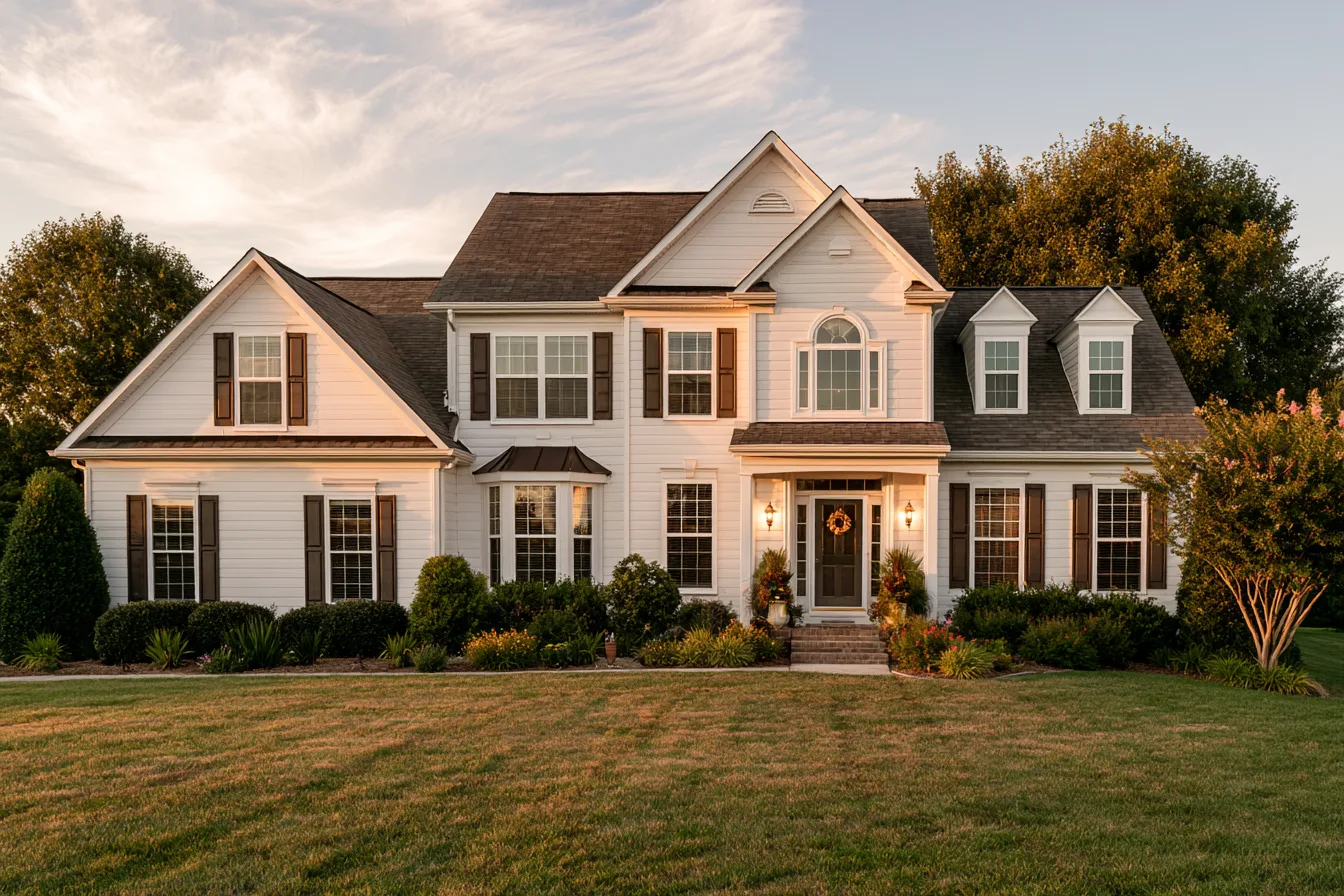
Tell us where the property is and what you've noticed. A free roof inspection helps establish the next useful step for your roofing project.