Membrane and flashing repair
Use compatible materials and preparation to restore damaged areas and their connection to sound existing membrane. A field patch differs from rebuilding a curb transition.

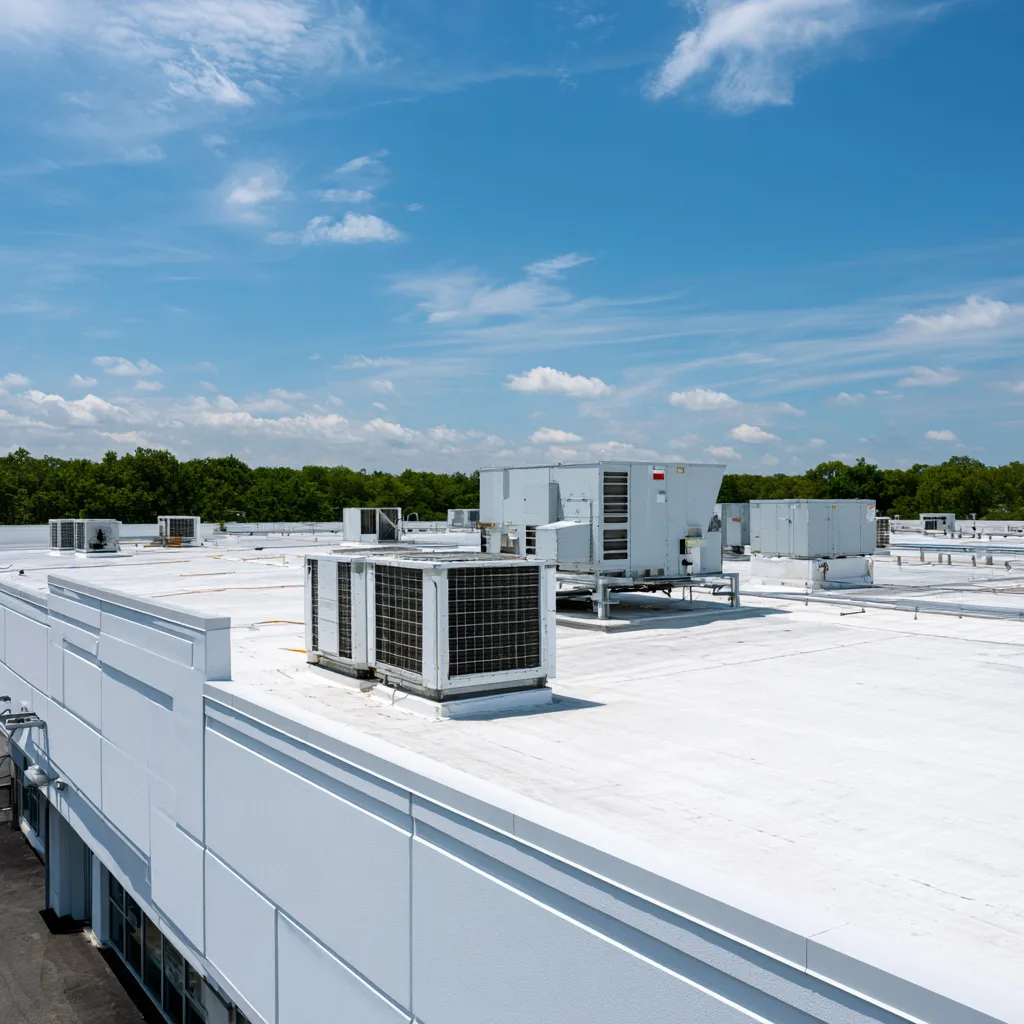
Assess the welded membrane and the assembly beneath it. TPO roof work needs compatible seams, penetrations and attachment across the building.
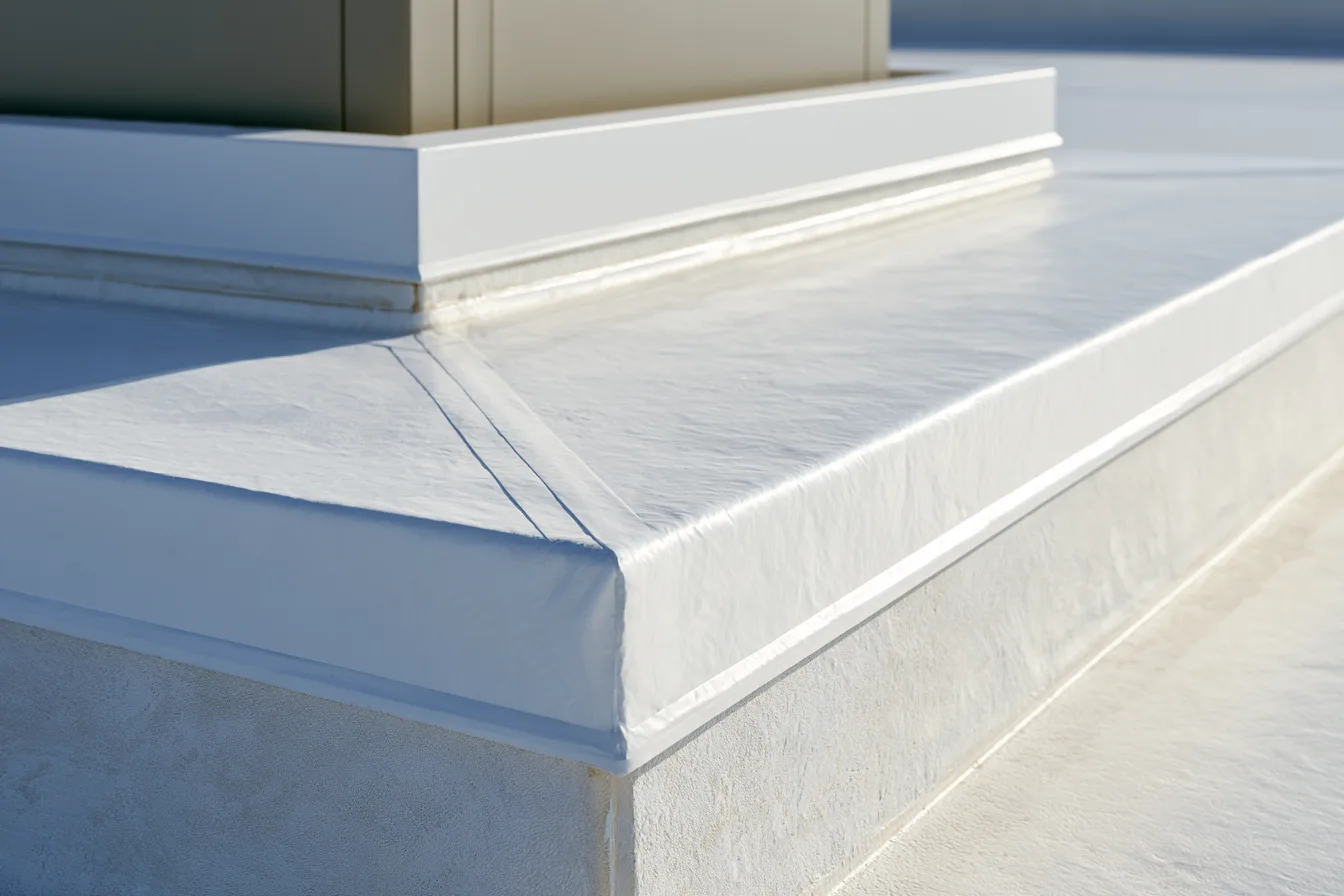
TPO is a thermoplastic single-ply membrane. Seams are joined by heat welding, while flashings connect the roof field to curbs, pipes and edges. Those transitions and areas affected by equipment traffic need close attention when a leak develops.
A white surface does not establish a dry roof. Moisture beneath the membrane and the condition of insulation and deck affect whether a localized patch or wider work is suitable.
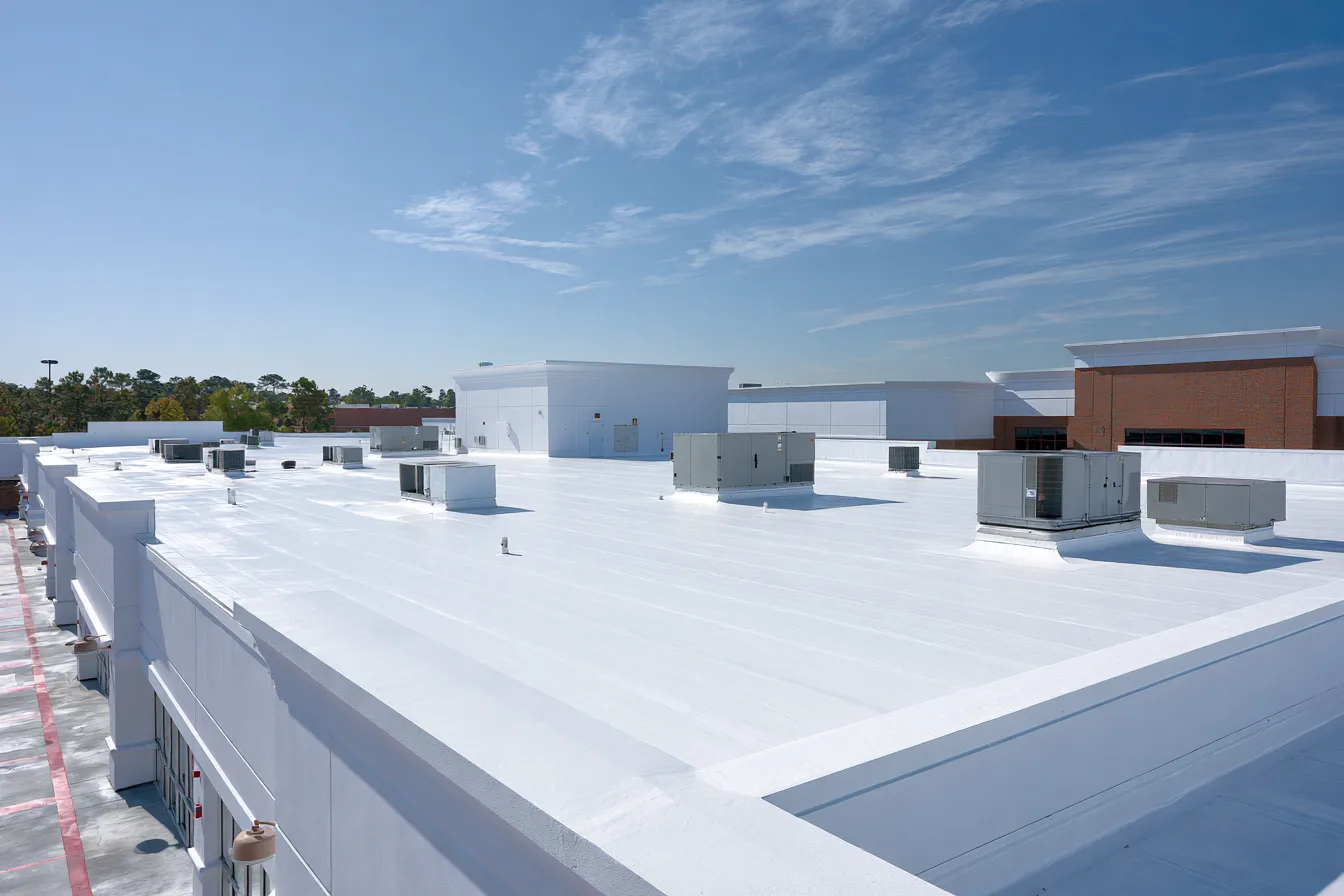
Use compatible materials and preparation to restore damaged areas and their connection to sound existing membrane. A field patch differs from rebuilding a curb transition.
Select membrane, insulation and attachment for the building and applicable requirements. Existing moisture, roof layers and edge details inform tear-off or recover suitability.
Review seams, punctures, curbs, penetrations and perimeter attachment alongside the drainage path.
Wet insulation and damaged deck cannot be solved by welding a new surface over the problem.
Coordinate access and equipment interfaces, and keep each work area protected as the roof assembly progresses.
TPO cost changes with insulation needs, attachment design, membrane selection, tear-off and the number of rooftop transitions. Access and equipment coordination add labor beyond roof surface alone.
Service traffic can damage a membrane. Appropriate walk paths and coordination with rooftop equipment work help keep the roof from becoming an unplanned work platform.
The broader commercial roofing assessment connects membrane work to building operations.
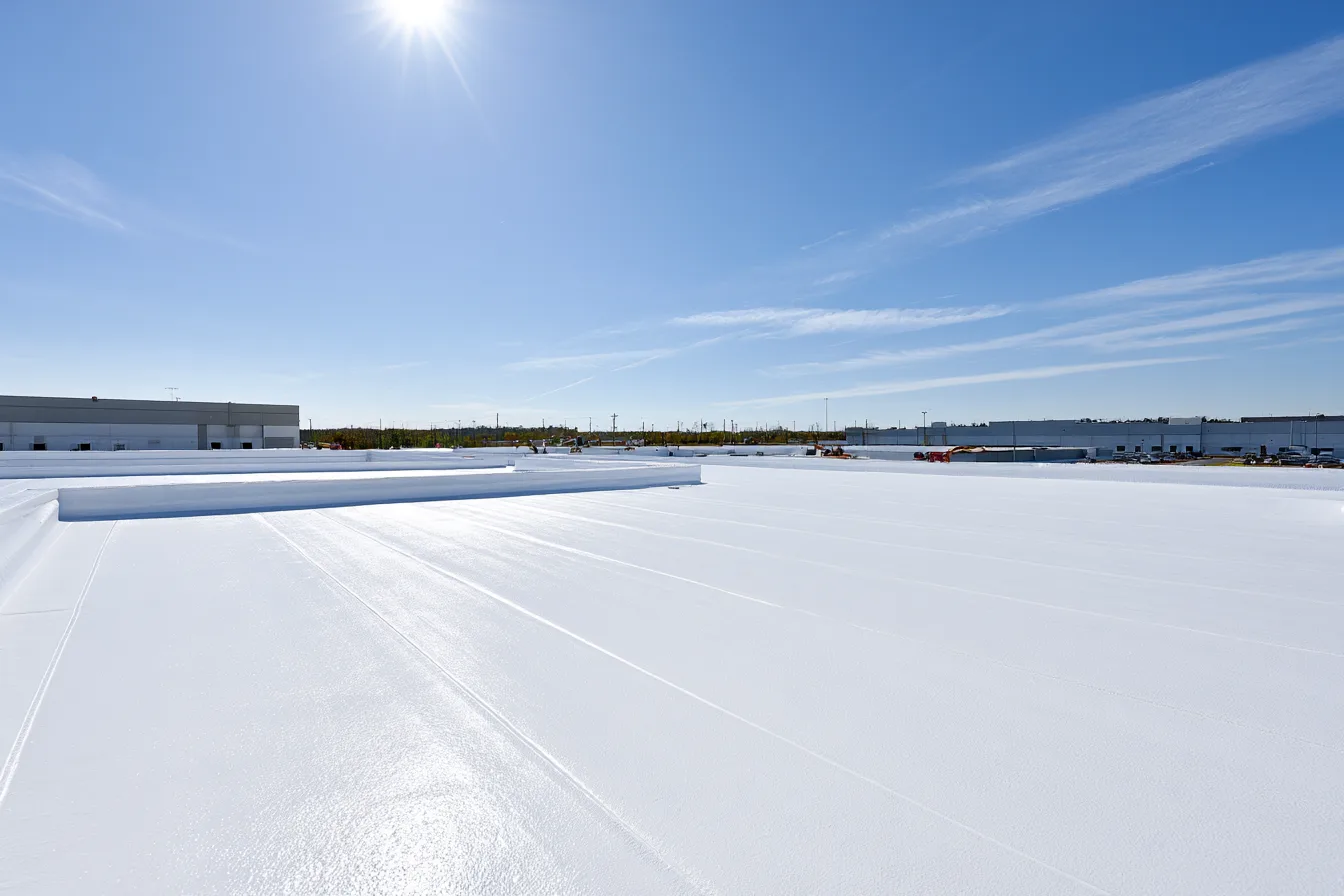
Tell us where the property is and what you've noticed. A free roof inspection helps establish the next useful step for your TPO roofing.